Skomer Island 2024
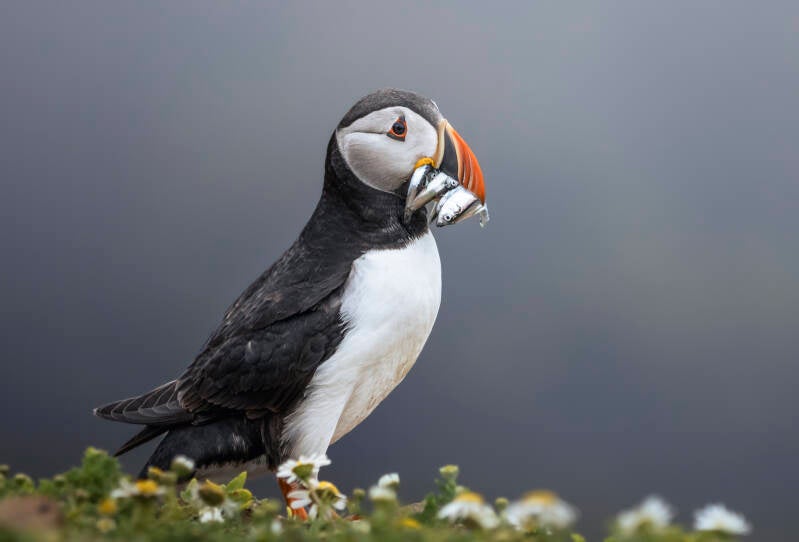
My visit to Skomer Island in the summer of 2024 was definitely one of the highlights of my year. After finishing my exams, we traveled down to Pembrokeshire to catch an early boat to see the puffins. I was incredibly excited for the day ahead, and was not going to waste a second with these beautiful birds as we were limited to 5 hours on the island. I went with 3 main photos in mind: a puffin with sand eels in their beak, a puffin in flight and a puffling (a baby puffin). I had no idea how achievable my goals were, but I was determined to try my best to get these photos. Another goal of mine was to capture unique photos, as puffins are such a popular bird to photograph, there are already thousands, if not millions of photos of them already out there, so I wanted to try and capture something different.
Canon EOS 2000D, Sigma 150-600mm Contemporary
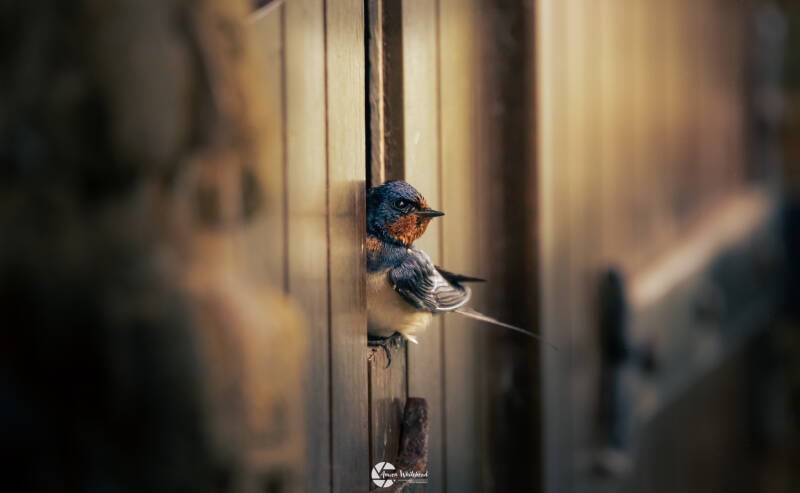
We woke up to a very thick and heavy sea mist on the morning of the departure, and I was beginning to worry in the boats would even be running. But luckily we received the message that they were still operating, and we were good to go. After arriving at the doc early, I entertained myself by photographing a family of barn swallows that appeared to be nesting in a nearby boat shed. I was able to capture the moment this individual perched on the door of the shed, and looked out as their rest of their family zipped past. The mist had began to clear at this point, and I was able to capture the beautiful morning light as it lit up their iridescent feathers.
Canon EOS 2000D, Sigma 150-600mm Contemporary
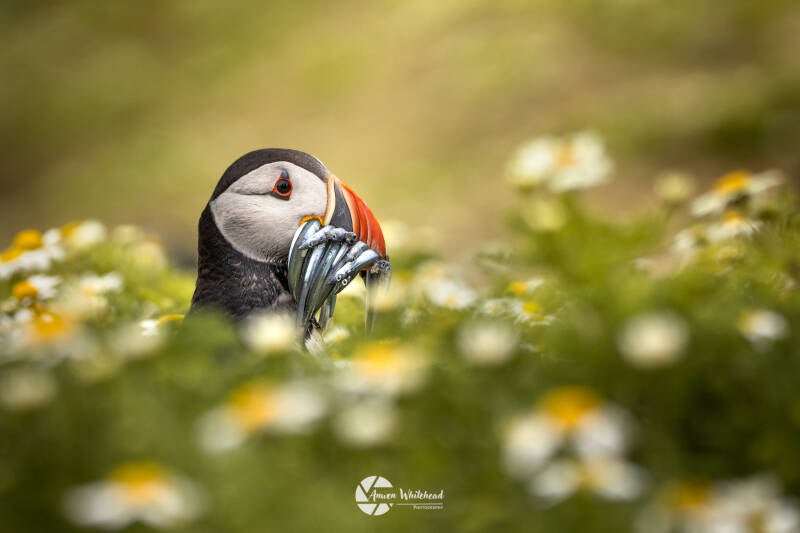
It wasn’t long before the Dale Queen arrived, and we bordered the boat. It took less than half an hour to reach Skomer, and it was a very smooth ride. As we approached the island, I was stunned my the sheer number of seabirds flying around, hunting in the sea and nesting on the cliffs. It was an absolute haven for wildlife. After a quick briefing by one of the volunteers on the island, I went straight to the Wick, which is one of the most famous spots on Skomer for seeing puffins. We arrived and I was overjoyed to see so many puffins waddling about, and I started to take some photos. I gradually got accustomed to their behaviour and how they move, and I was able to photograph them better. One thing that I did notice was the blanket of beautiful chamomiles, and was eager to incorporate this into my images. So, while I found it very tempting to zoom in to capture all the details in the puffin’s face to create a bold portrait, I zoomed my lens out to make the environment a key element of the image, and with a bit of patience and a bit of luck , I was able to capture my personal favourite photo of the day.
Canon EOS 2000D, Sigma 150-600mm Contemporary
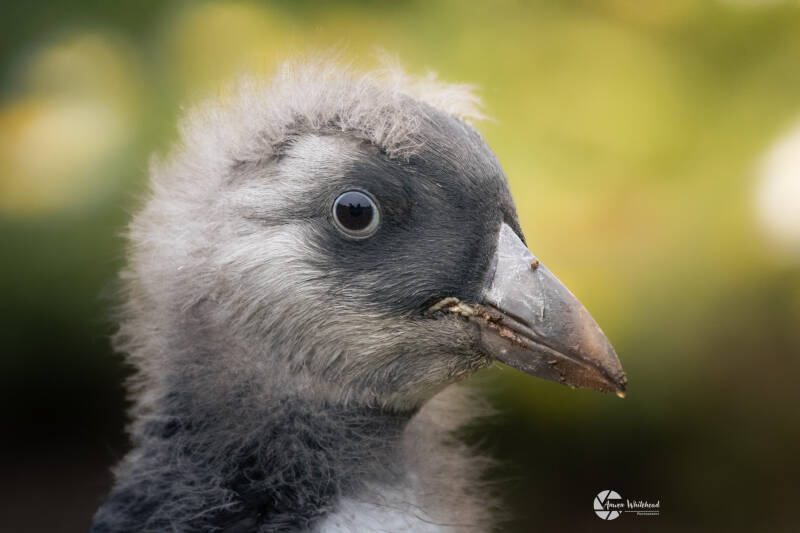
I spent most of my time on Skomer at the Wick, and this allowed me to get used to the different elements around to ensure I was able to frame my photos well. Later on in the day, I was over the moon to find my first puffling. They kept popping out of their burrow to stretch and flap their wings before their parent pushed them back inside. By getting very low to the ground, I was able to get eye level with this beautiful puffling, and was able to take these photos ( you can even see me in the reflection in their eye!)
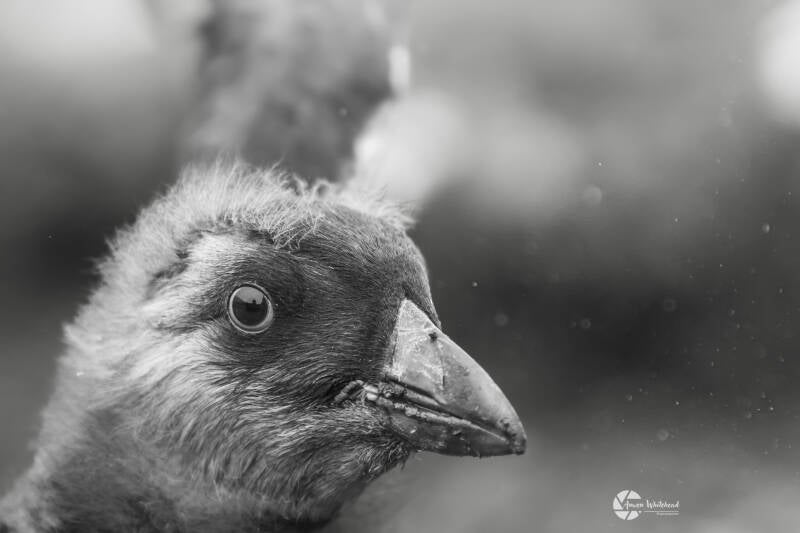
Canon EOS 2000D, Sigma 150-600mm Contemporary
I found it quite a challenge at first to photograph puffins with their beak full of fish, as usually once they land they’ll go straight to their burrow to feed their puffling. But every now and then, they get a bit “lost” and spend some time looking for their burrow. This gives the perfect opportunity to photograph them, and after some patience this puffin arrived and gave me the chance to take some photos of them with a beak full of sand-eels. I experimented with focusing my camera on the puffin themself to create a bold portrait, but also decided to focus my camera on the fish too, resulting in a unique perspective of these bird’s behaviour. By using the widest aperture my lens offered, I was able to isolate either the fish or the puffin, creating bold portraits.
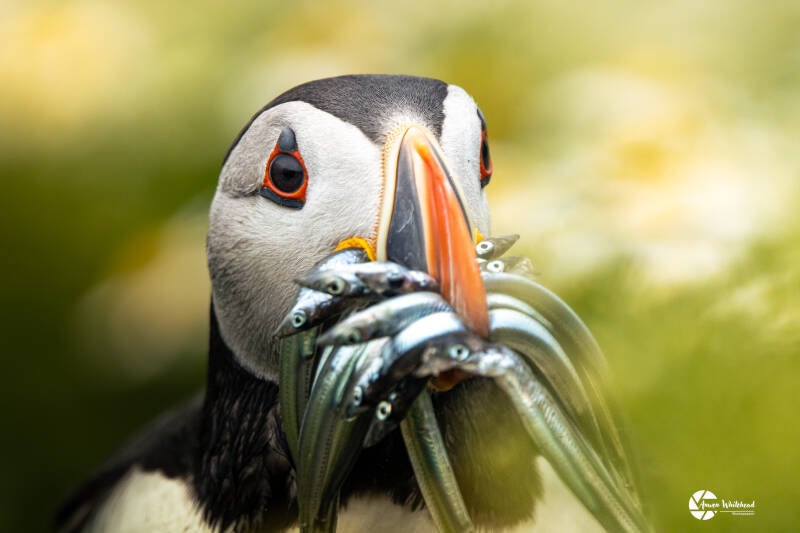
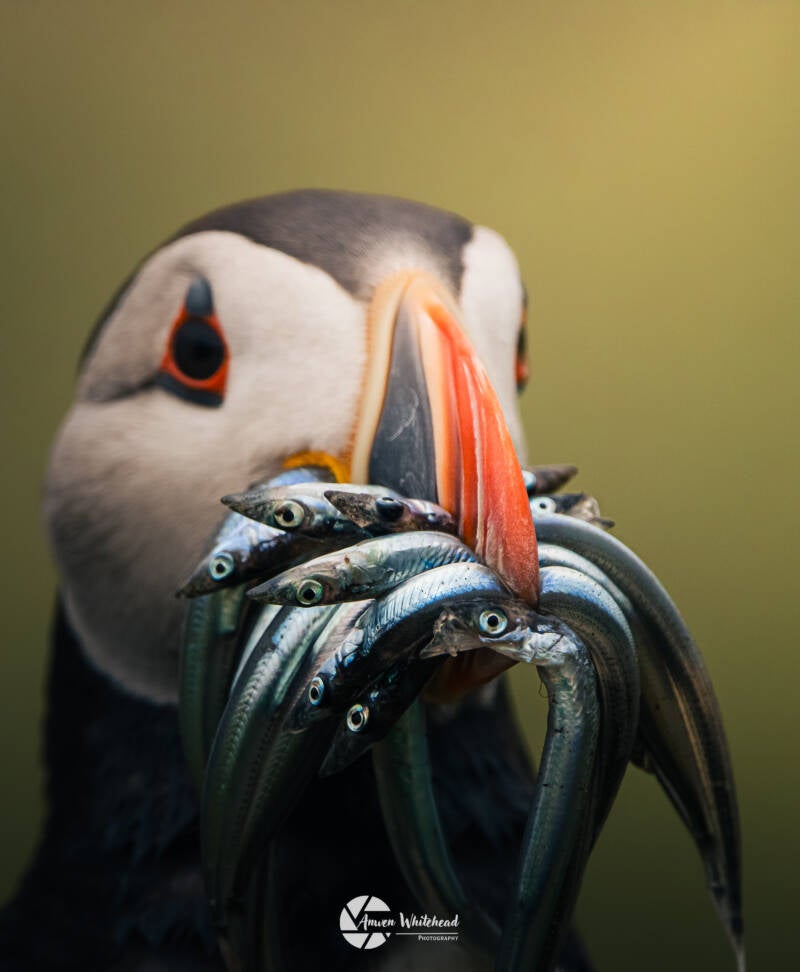
Canon EOS 2000D, Sigma 150-600mm Contemporary
I swapped my telephoto lens for my wide angle to switch things up a bit. I was keen to incorporate more of the environment around in my photos. I found it challenging to isolate a singular subject with my wide lens, so it took a lot of patience and perseverance to take photos like this. I love how it conveys how small puffins actually are, and is a nice change to the classic portraits I usually take.
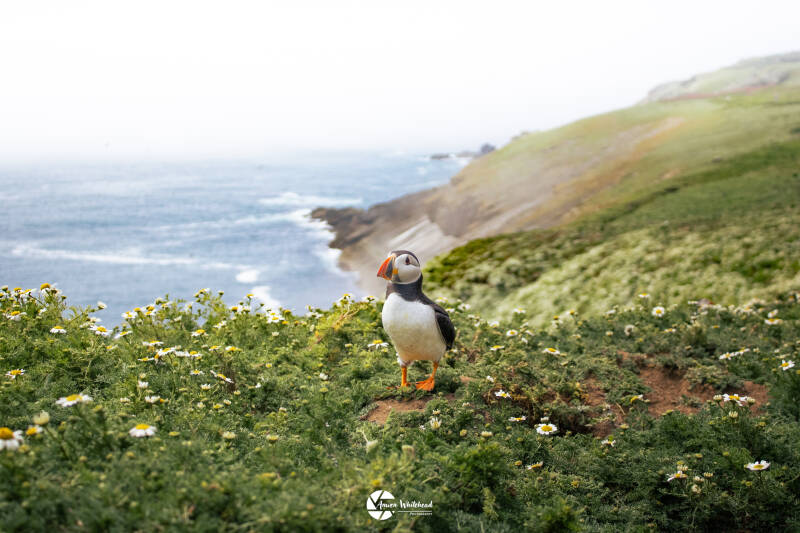
Canon EOS 2000D, Canon EFs 18-55mm
Time was running out, and I still hadn’t taken a
Create Your Own Website With Webador